Ogden-Hinckley Airport Flight School: A 2026 Hangar Tour
 Mycah Pittman
 Walk through Blitz Aviation's hangar at Ogden-Hinckley Airport (KOGD): the aircraft, the panels, the briefings, and how a training day is set up for new students.
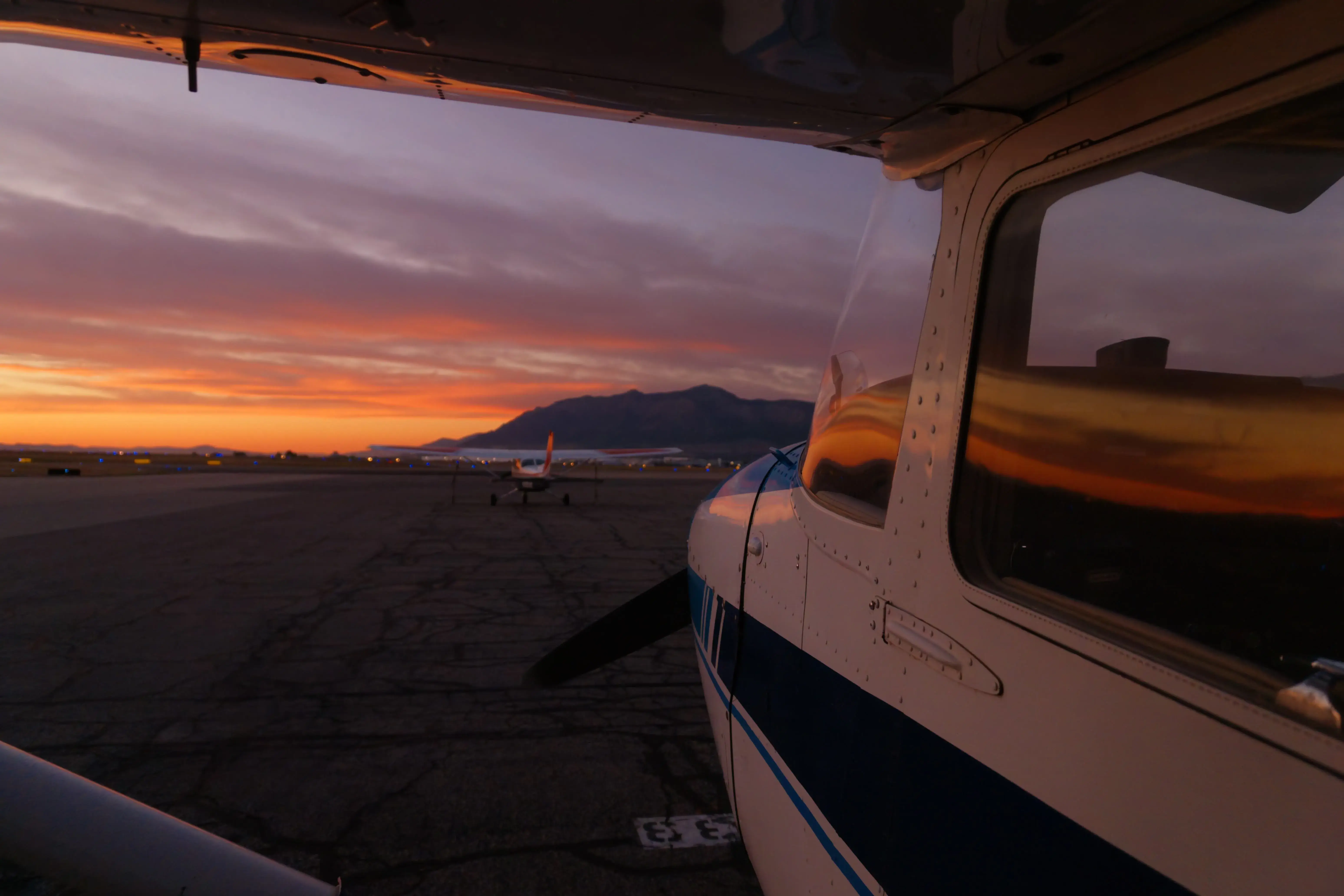
Picture the hangar doors rolling open on a clear Ogden morning. A student leans into a tow bar and walks a Cessna out onto the ramp while the Wasatch Mountains sit behind the roofline. That is a normal start to the day at the Ogden-Hinckley Airport flight school we run, and it is also what you will see on your first visit.
If you are weighing flight schools, seeing the place helps more than reading a brochure. This tour covers what you will see and use at our base at Ogden-Hinckley Airport (KOGD): the hangar, the aircraft, the avionics, the briefings, and how a training day is set up. Our address is 3911 Airport Rd, Hangar 397, Ogden, UT 84405. If you are still deciding between airports, our post on why many student pilots choose Ogden over Salt Lake City airports makes that case, so this guide stays inside the hangar.
What You See When You Step Into Hangar 397
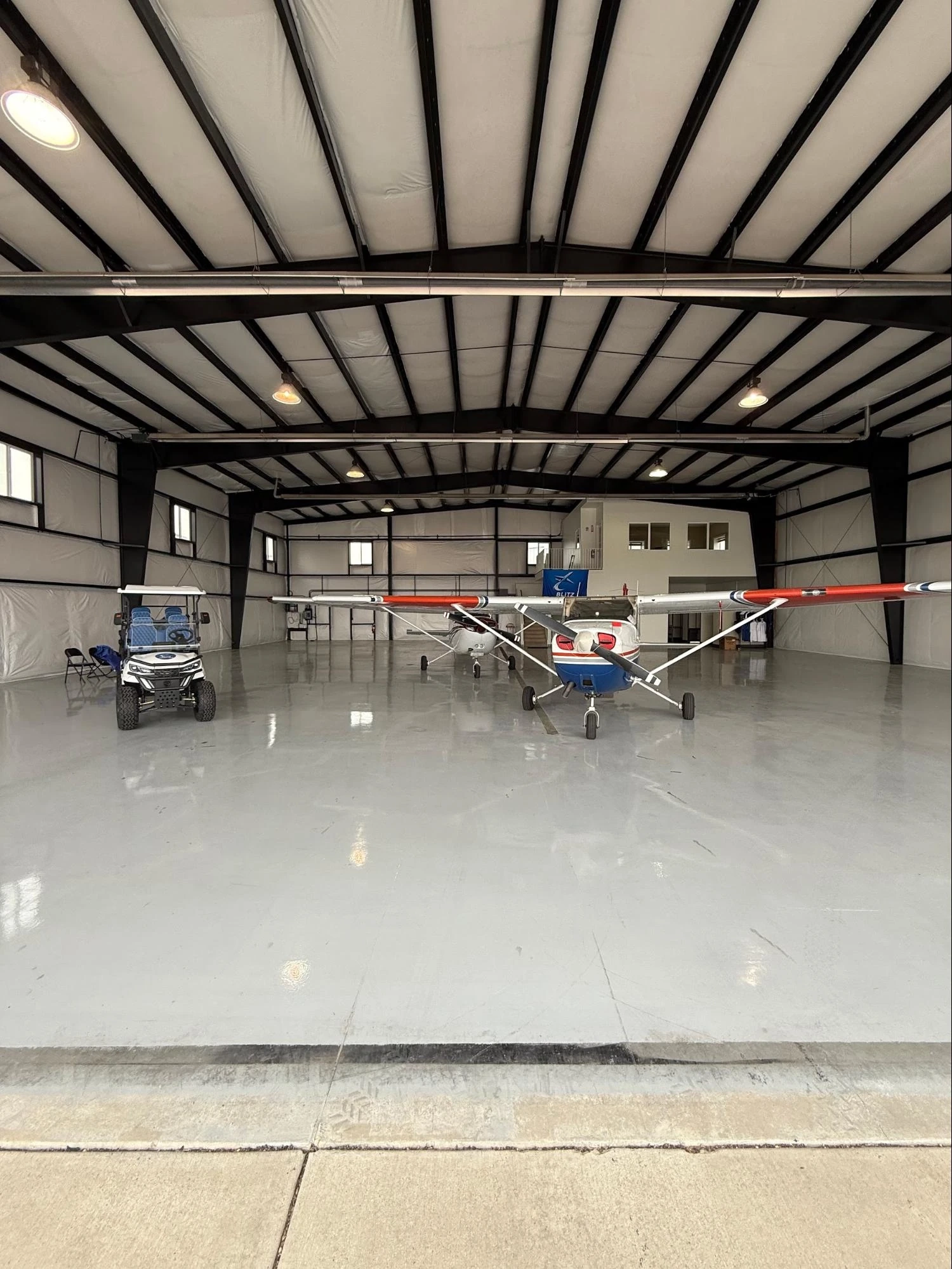
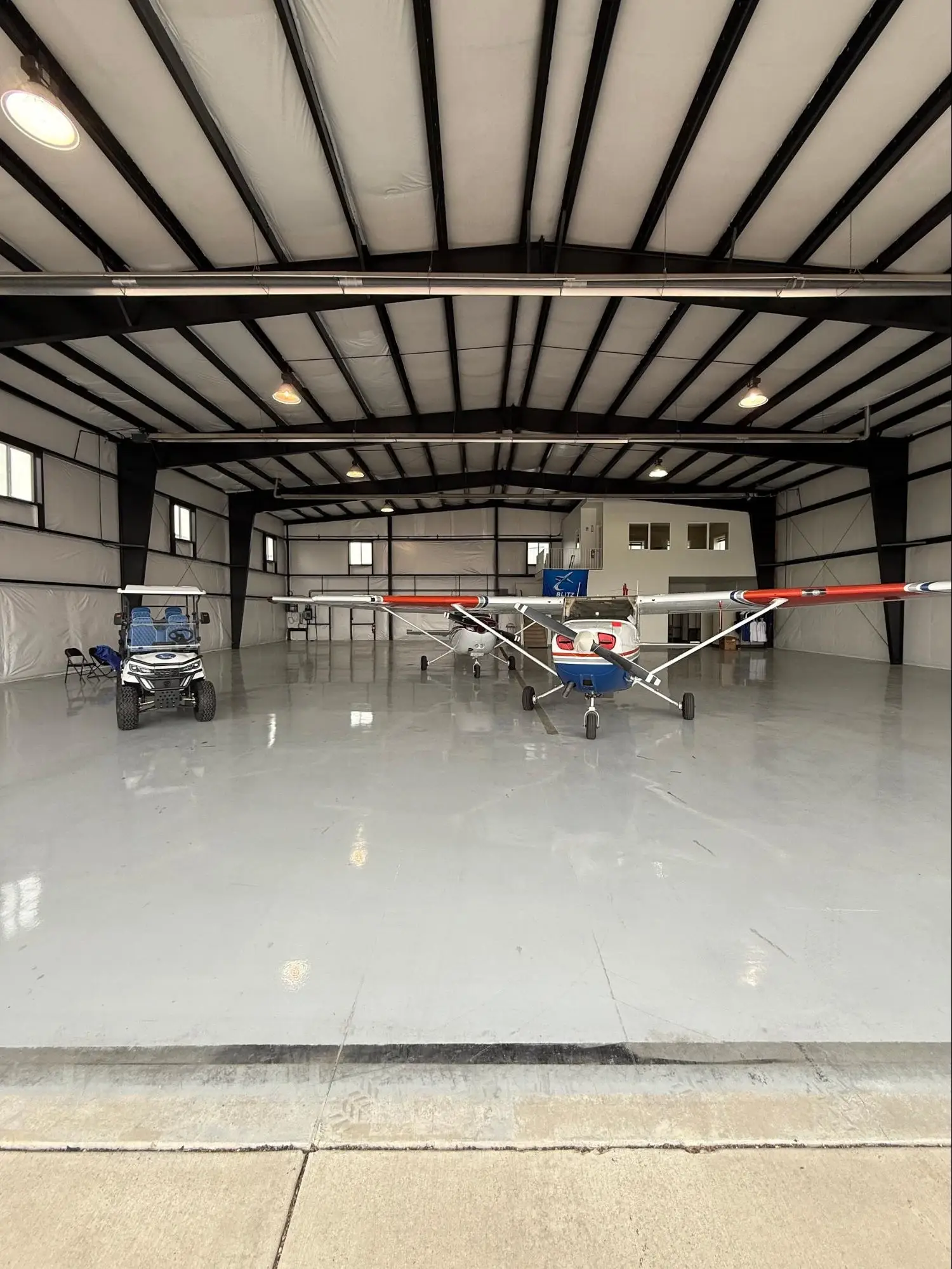
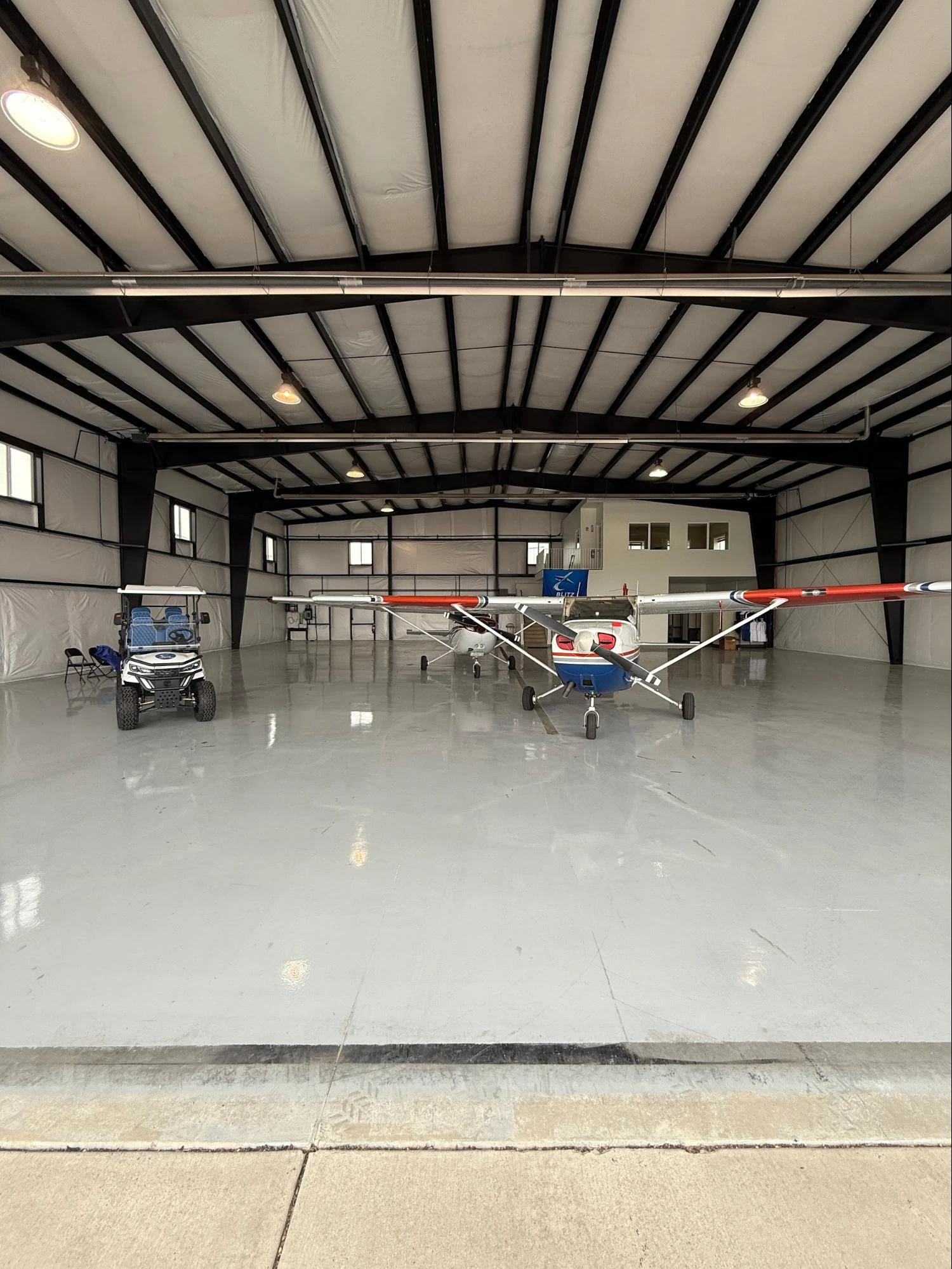
Your first visit starts at the hangar. You get a facility tour and meet your Certified Flight Instructor (CFI), the person who teaches you in the airplane and on the whiteboard. Inside, aircraft sit under a high steel roof on a clean, open floor, and a Blitz Aviation banner hangs over a stairway to an upper level with windows.
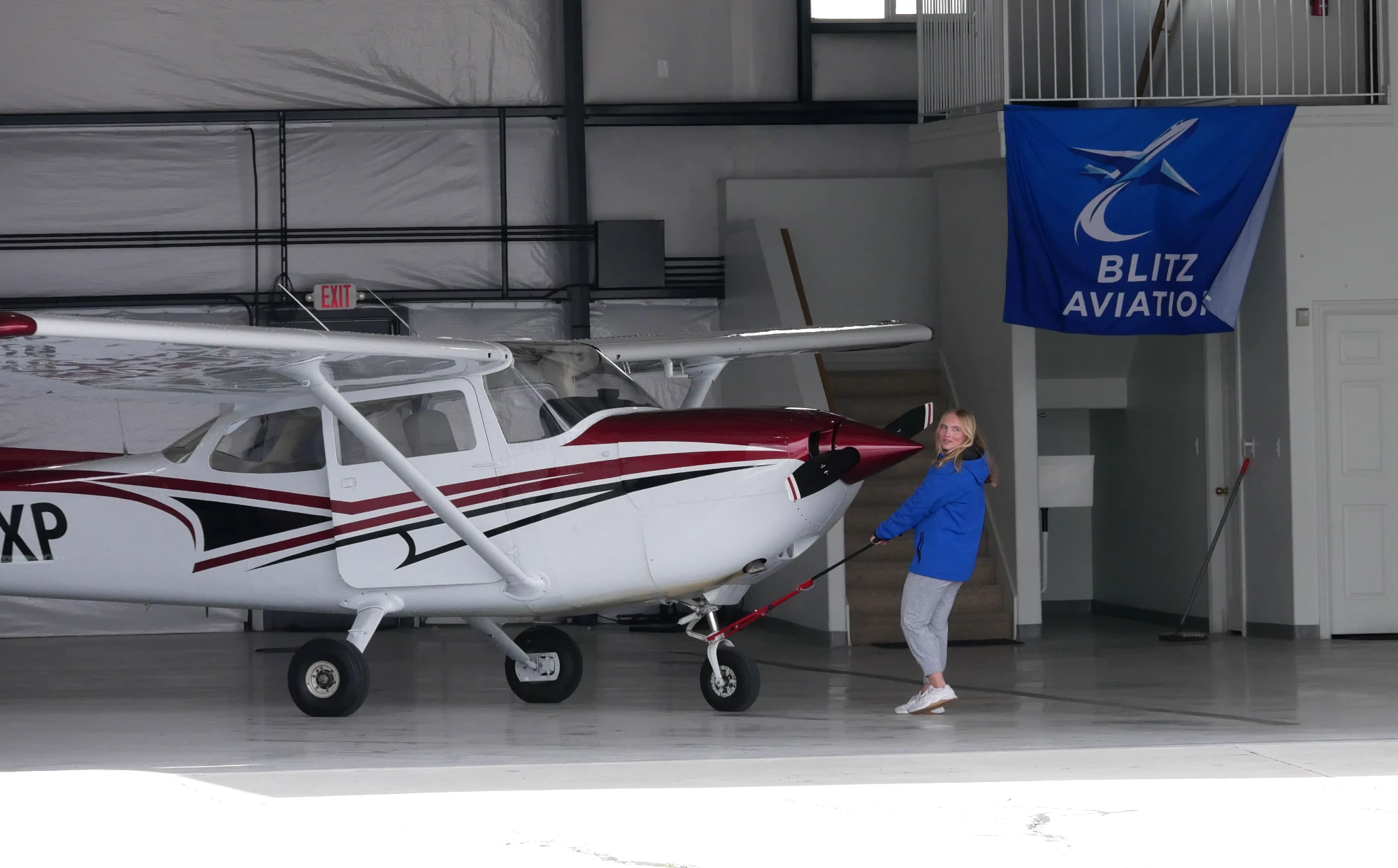
You will see aircraft being prepped, hear engines warming up, and watch students and instructors getting ready for the next lesson.
A tow bar clips onto the nose gear, and you or your instructor walks the aircraft out to the ramp. It is a small ritual, and it teaches you early that flying starts on the ground. Our team of instructors is on hand to answer questions as you look around.
Six Aircraft You Might Train In
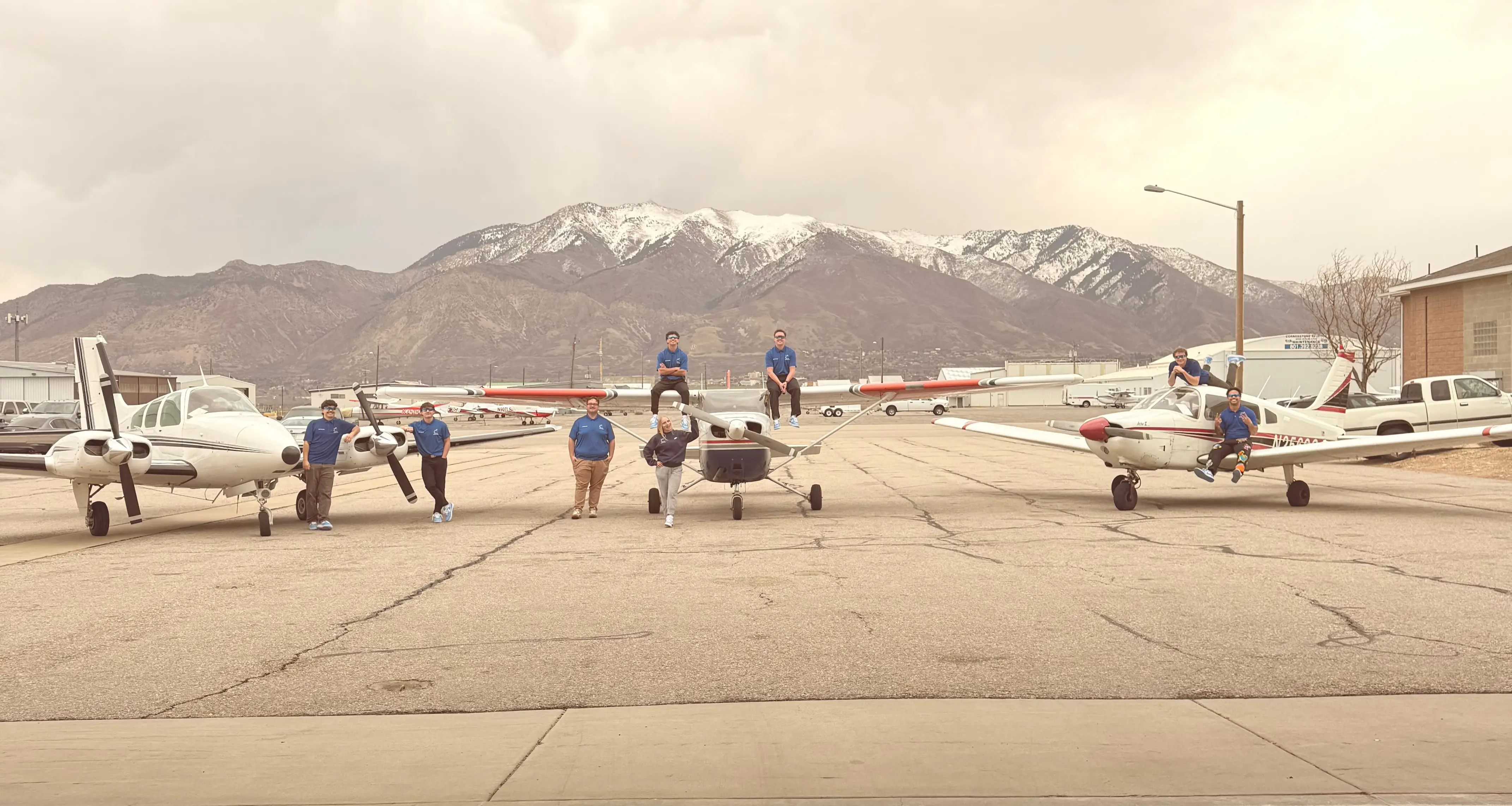
Our fleet currently includes six aircraft, and each one fits a different stage of training. Most students begin in a Cessna 172, the primary trainer here. The Baron comes in later for multi-engine work.
| Aircraft | Tail number | What it gives you |
|---|---|---|
| Cessna 172P | N99832 | A classic trainer with dual Garmin G5 displays |
| Cessna 172R | N9547W | Fuel-injected, with a Garmin 650 WAAS and dual G5s |
| Cessna 172XP | N122XP | A Garmin WAAS GPS and a constant-speed propeller for advanced transitions |
| Piper Archer II | N2569Q | Low-wing handling, dual G5s, GNC 355 WAAS, GFC 500 autopilot |
| Cirrus SR22T | N345PK | Garmin Perspective+ avionics, GFC 700 autopilot, and the Cirrus parachute system |
| Beechcraft Baron B55 | N8145R | Twin-engine training with a Garmin 430-series GPS |
The Archer II sits in that lineup, and we are a member of the Piper Flight School Alliance. You can read what that means in our Piper alliance announcement.
The Panels You Will Learn to Read
Several of our aircraft carry Garmin G5 electronic flight instruments next to traditional round gauges. That mix lets you learn the basics on instruments you can read at a glance, while getting comfortable with the digital displays you will see in many other airplanes.
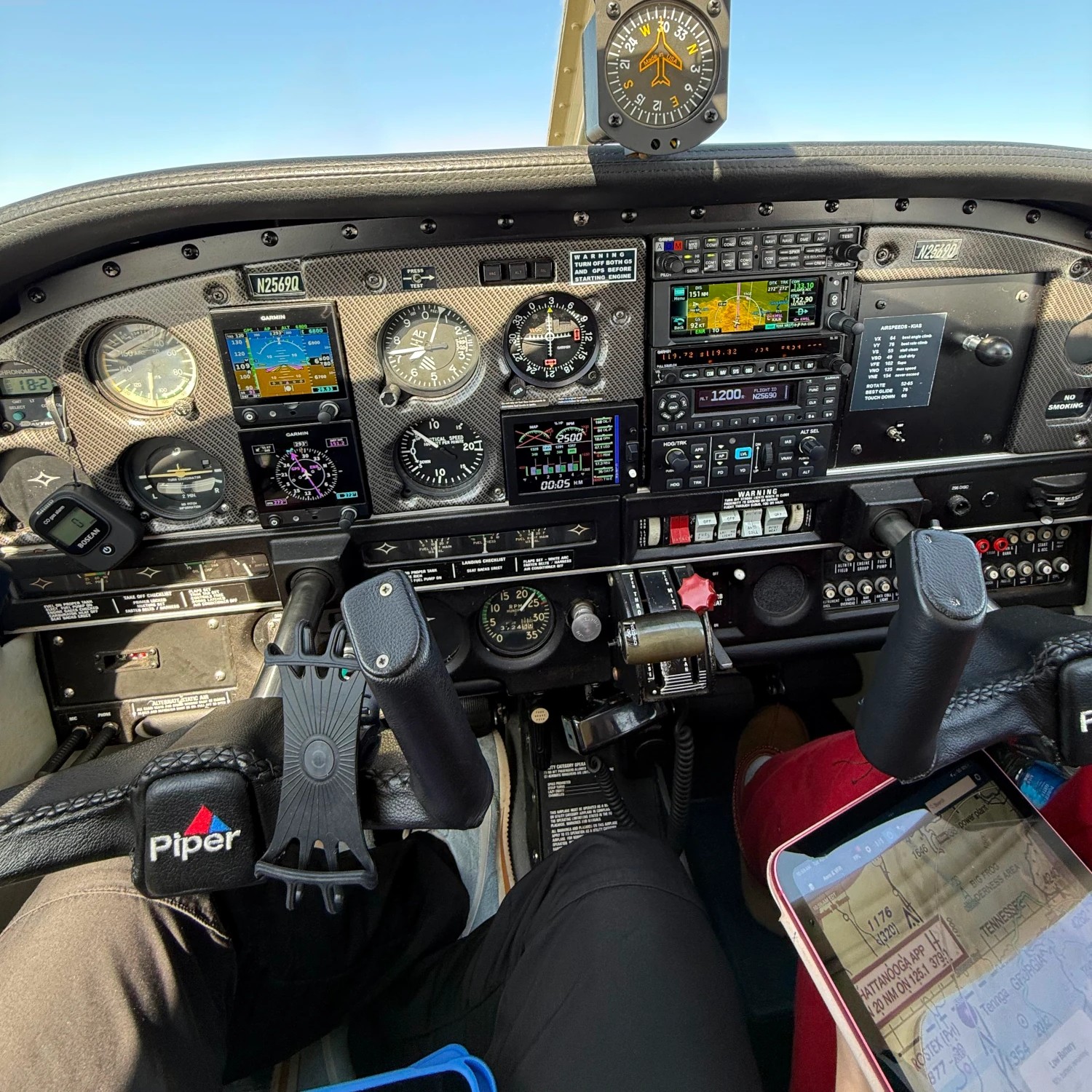
The Archer II is a good example. Its dual G5s, WAAS navigator (a GPS that supports precise approaches), and GFC 500 autopilot sit in one panel, which helps when you move into instrument training. The Cirrus raises the level again with Garmin Perspective+ screens, which is where our high-performance aircraft training happens. Our Cirrus SR22T training guide walks through that step.
Avionics change with upgrades, so contact us to confirm what is installed in the airplane you will fly. The checklists and handbooks for our Cessna and Piper trainers live in our student POH library, so you can read about the airplane before you ever sit in it.
Where Your Briefing Happens Before Every Flight
Your lessons start with a ground briefing. Your instructor stands at the whiteboard, draws the plan, and walks through headings, weather, and what you will practice. On a discovery flight, that briefing covers basic aircraft controls and safety procedures. For ongoing training, it grows into the ground school that prepares you for the FAA written exam: aerodynamics, weather, navigation, regulations, aircraft systems, and flight planning.
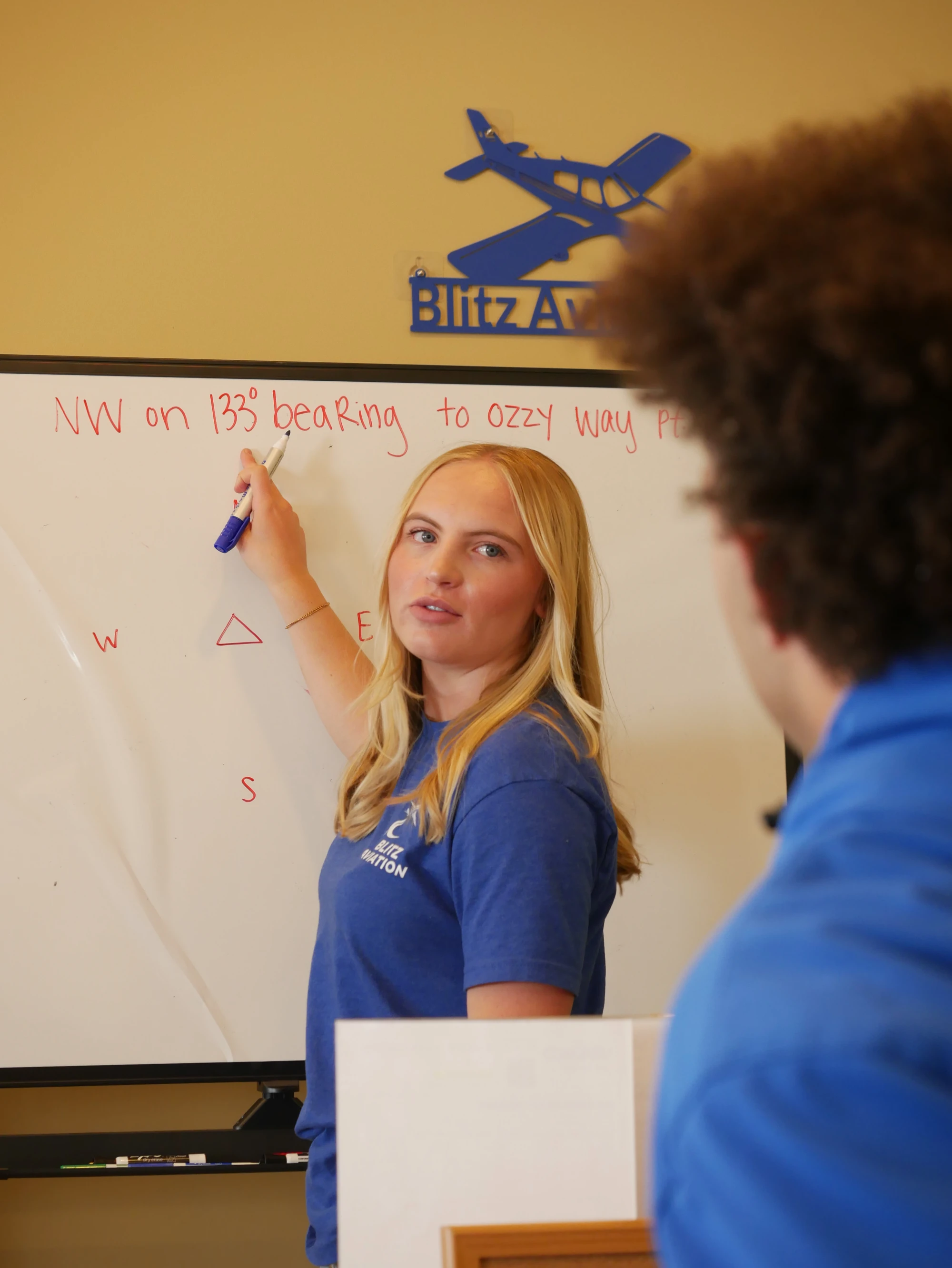
We tailor ground instruction to your schedule, one-on-one or self-paced with instructor guidance. After the briefing, you and your CFI do the preflight inspection together: fuel, control surfaces, propeller, and engine compartment. You will repeat that inspection before every flight, and it becomes second nature faster than most students expect.
If you already know your goal, our Private Pilot program shows how ground and flight training fit together.
How a Training Day Is Set Up
Your day depends on the pace you choose. Here is how the two rhythms work.
Part-time training. Most students train two to three times a week, which is typically enough for steady progress toward a license. We offer early morning, evening, and weekend slots, so a full-time job can fit around your lessons. A typical lesson runs briefing, preflight, flight, then debrief, where you and your instructor go over what went well and what to fix next time.
Accelerated training. In our accelerated format, the day is more packed. A typical full-time day at our Ogden-Hinckley base looks like this:
- Morning ground briefing and weather analysis with your CFI, covering weather reports, forecasts, radar, and density altitude
- Flight block 1, with preflight and about 1.8 to 2.0 hours of maneuver or instrument approach practice
- Post-flight debrief and lunch
- Flight block 2 or study time for cross-country work and next-day preparation
You can read the full breakdown in our guide to how accelerated flight training works or see the accelerated programs page.
Why Ogden-Hinckley Works as Your Home Base
Having the school, the aircraft, and the instructors in one place keeps your training simple. You walk into the hangar, meet your instructor, and see your airplane in the same visit, with no extra stops across the field.
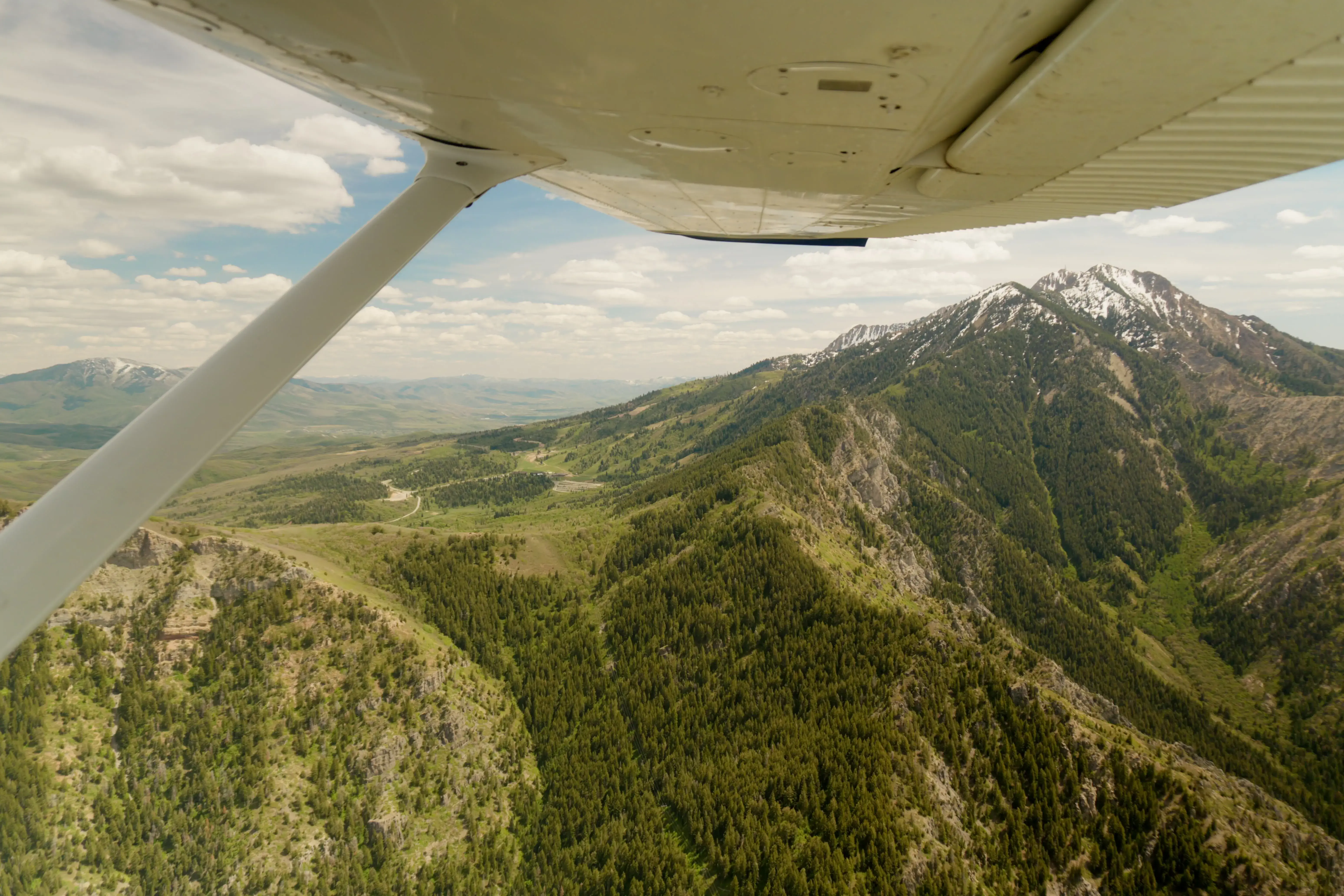
The view helps too. From the hangar you can see the mountains your cross-country flights will head toward. Flying there as a student is a good way to learn how terrain, wind, and weather shape every plan you make. If you want that picture in more detail, our first discovery flight guide takes you from the hangar to the sky and back.
What to Bring and Ask on Your Visit
A short list makes the first visit easier:
- A valid photo ID and comfortable clothes, with closed-toe shoes
- Your questions about schedule, since we work around your availability
- Your goal, whether that is a private license, an instrument rating, or a career, so your instructor can point you to the right program
- Any questions about paying for training, because we have options:
On funding, our financing partnerships can cover up to 100% of flight training costs. We can walk you through the details when you visit.
Your Questions About the Hangar and Training Day
Can I tour the hangar before I book a lesson?
Your tour is part of the first visit. We recommend booking a discovery flight, since it takes you through the hangar, the briefing, and the aircraft in one trip.
How long does a discovery flight take?
It runs about an hour: a pre-flight briefing, 30 to 45 minutes in the air, and a post-flight discussion of training options. Your time in the air can be logged toward your pilot’s license if you continue training with us.
Do I need experience before I visit?
No. We welcome complete beginners, and your instructor guides you step by step. See how our programs work from the first lesson.
Which aircraft will I fly first?
Most students begin in one of our Cessna 172s. Multi-engine training moves into the Baron. Browse every airplane on our fleet page.
Where do I find answers to other questions?
Our FAQ page covers requirements, timelines, and costs.
See Hangar 397 for Yourself
A tour on paper only goes so far. Book a discovery flight and you will walk through the hangar, meet your CFI, sit through a briefing, preflight an airplane with us, and fly over Ogden with your hands on the controls. Book your discovery flight and we will see you at 3911 Airport Rd, Hangar 397.

Blitz Aviation
Professional flight training school near Salt Lake City, Utah, specializing in accelerated pilot programs. Get your pilot license faster with our experienced instructors and modern fleet.