KOGD Flight Training: Your First Flights in 2026
 Mycah Pittman
 Follow an early lesson at Ogden-Hinckley Airport (KOGD): preflight, taxi, radio, traffic pattern laps, and practice maneuvers, explained for new student pilots.
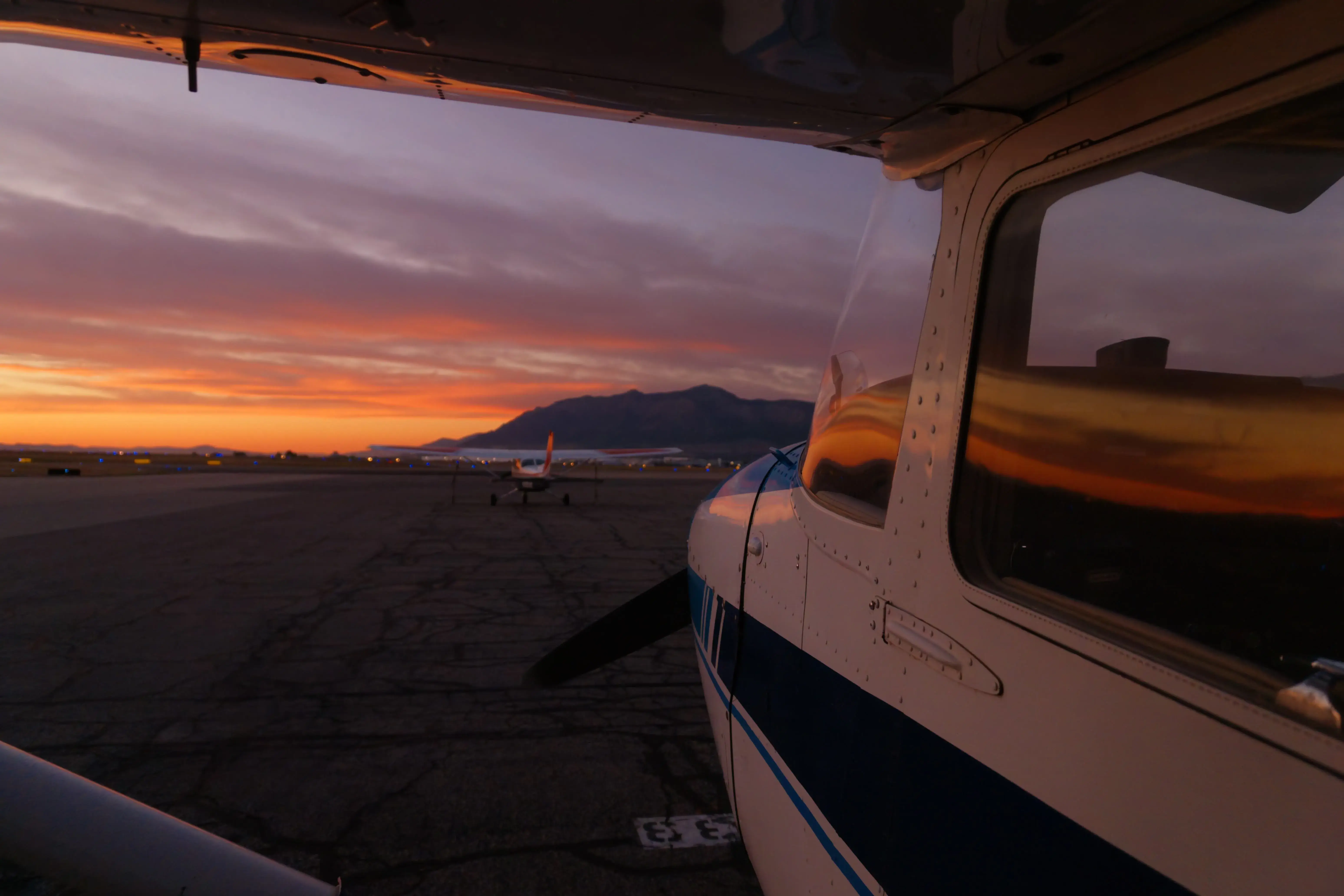
Picture the headset going on, a hum in your ears, and a voice on the radio saying something you only half catch. You are sitting in the left seat of a Cessna, and you wonder how much you were supposed to know before today. You were not supposed to know any of it yet. Your first flights are built one layer at a time, and the traffic pattern is where most of those layers stack up.
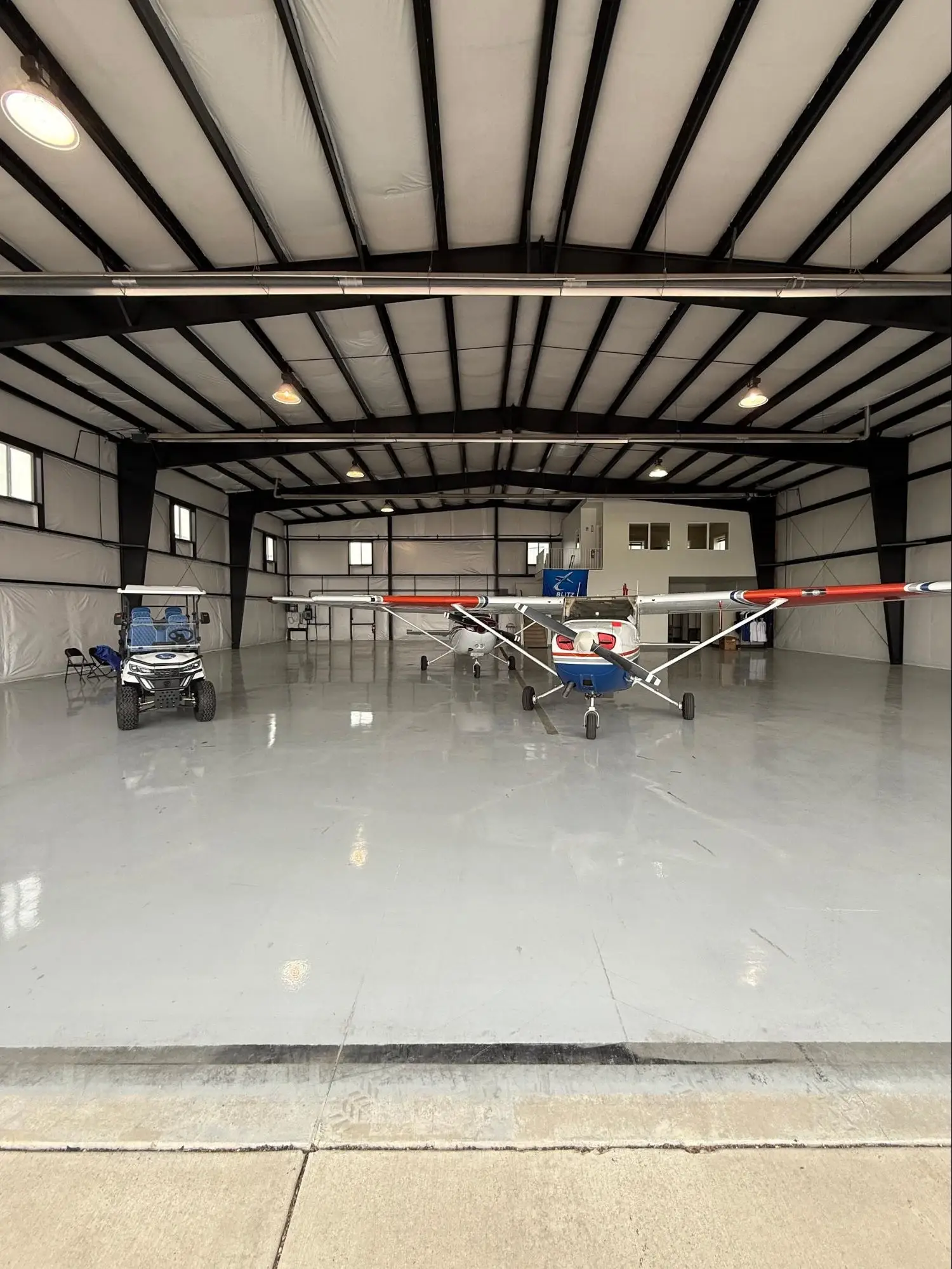
This walkthrough follows an early lesson from our base at Ogden-Hinckley Airport (KOGD). If you are searching for KOGD flight training, here is what the lesson looks like from the left seat: briefing, preflight, taxi, radio, pattern laps, and practice maneuvers. Every lesson adapts to your pace and the day’s conditions, so treat this as a map. To see the place where each lesson starts, take our Hangar 397 tour. If you are still deciding between airports, our post on why many student pilots choose Ogden over Salt Lake City airports covers that, so this guide stays in the cockpit.
Before the Engine Starts: Briefing, Weather, and Preflight
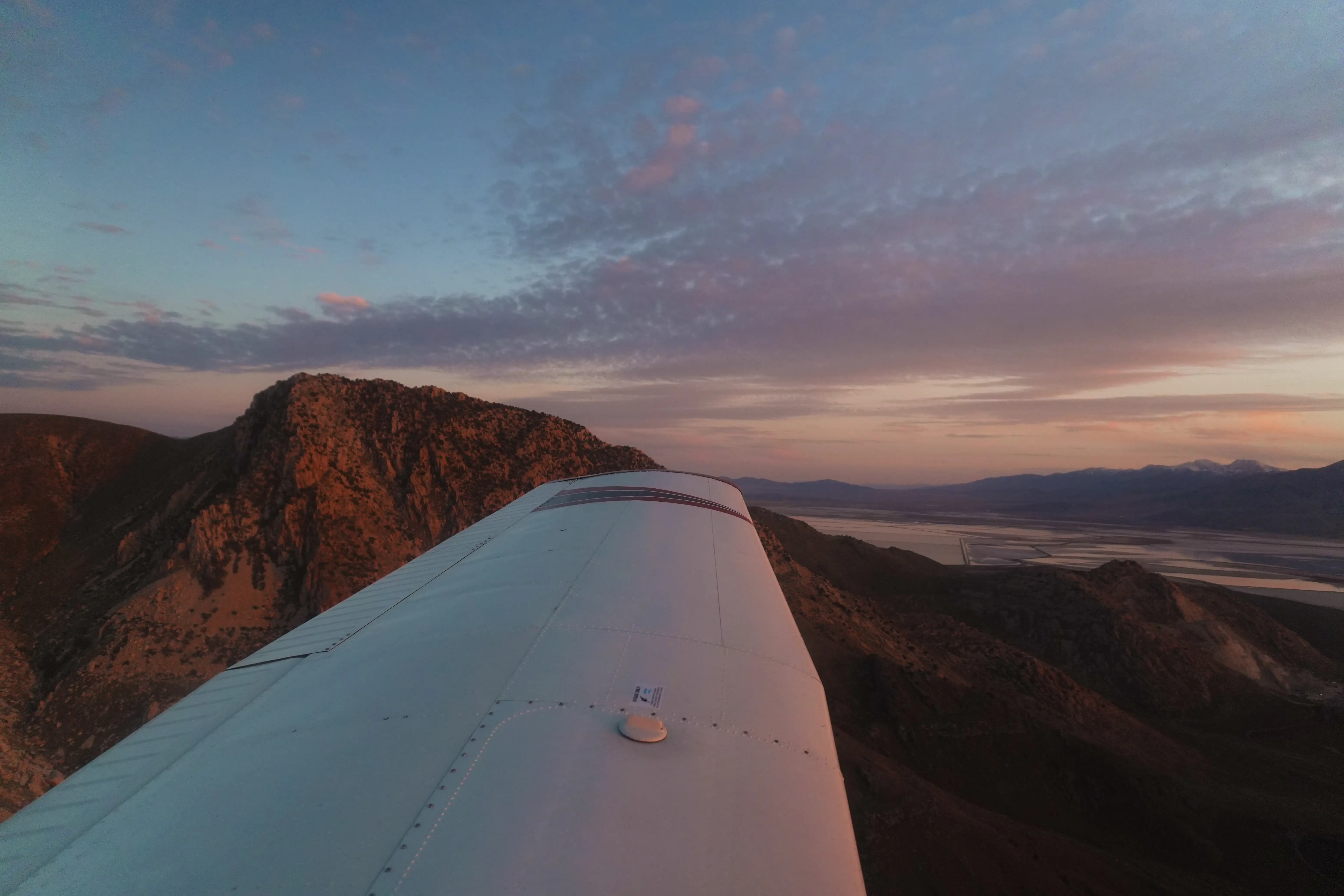
Your lesson begins on the ground. You and your Certified Flight Instructor (CFI) sit down for a ground briefing, and your CFI draws the plan on the whiteboard: what you will fly, what you will practice, and what the weather allows. Weather decides a lot in aviation. A lesson can change shape or move to another day when conditions call for it, and learning to read that call is part of becoming a pilot.
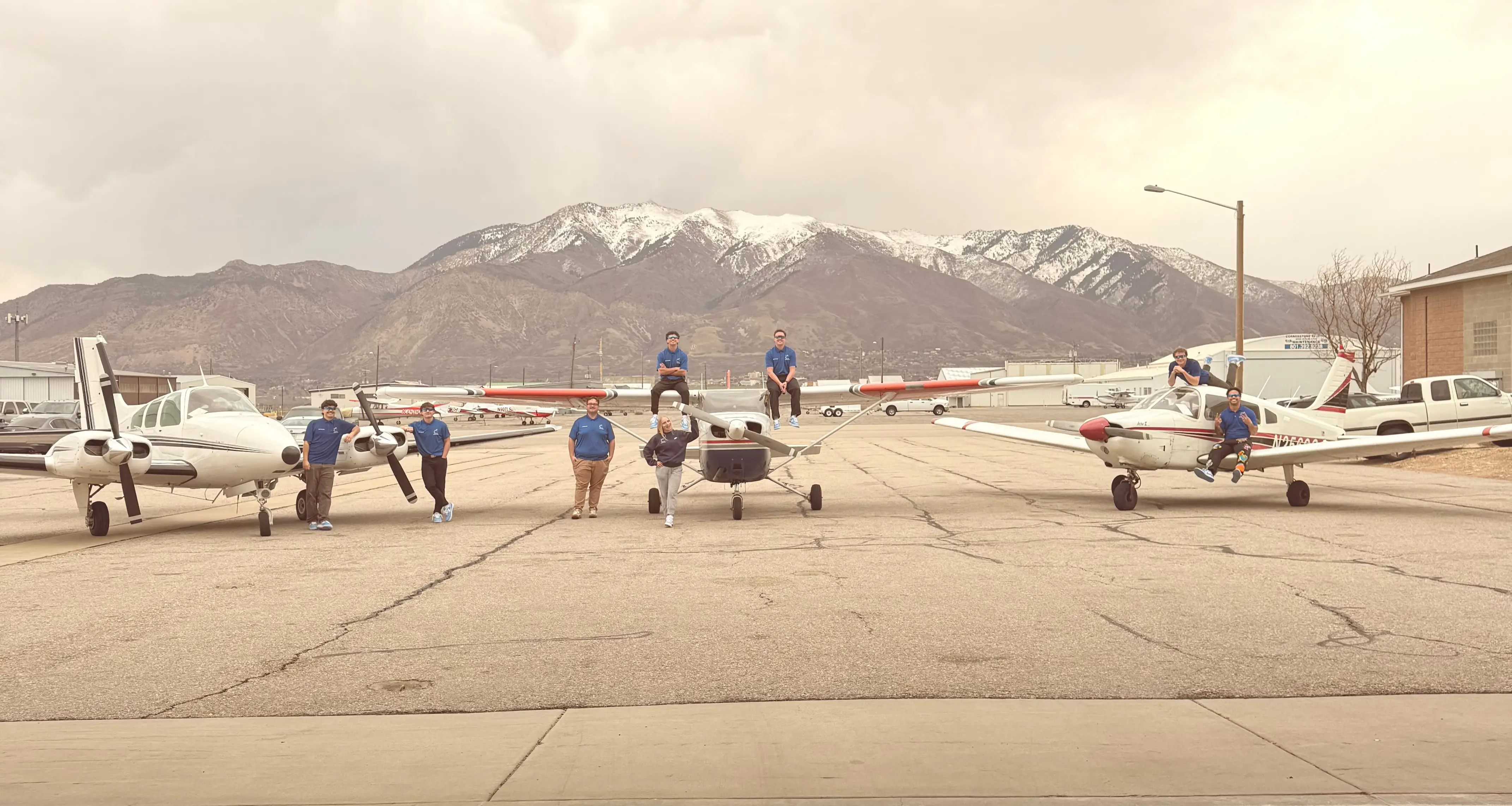
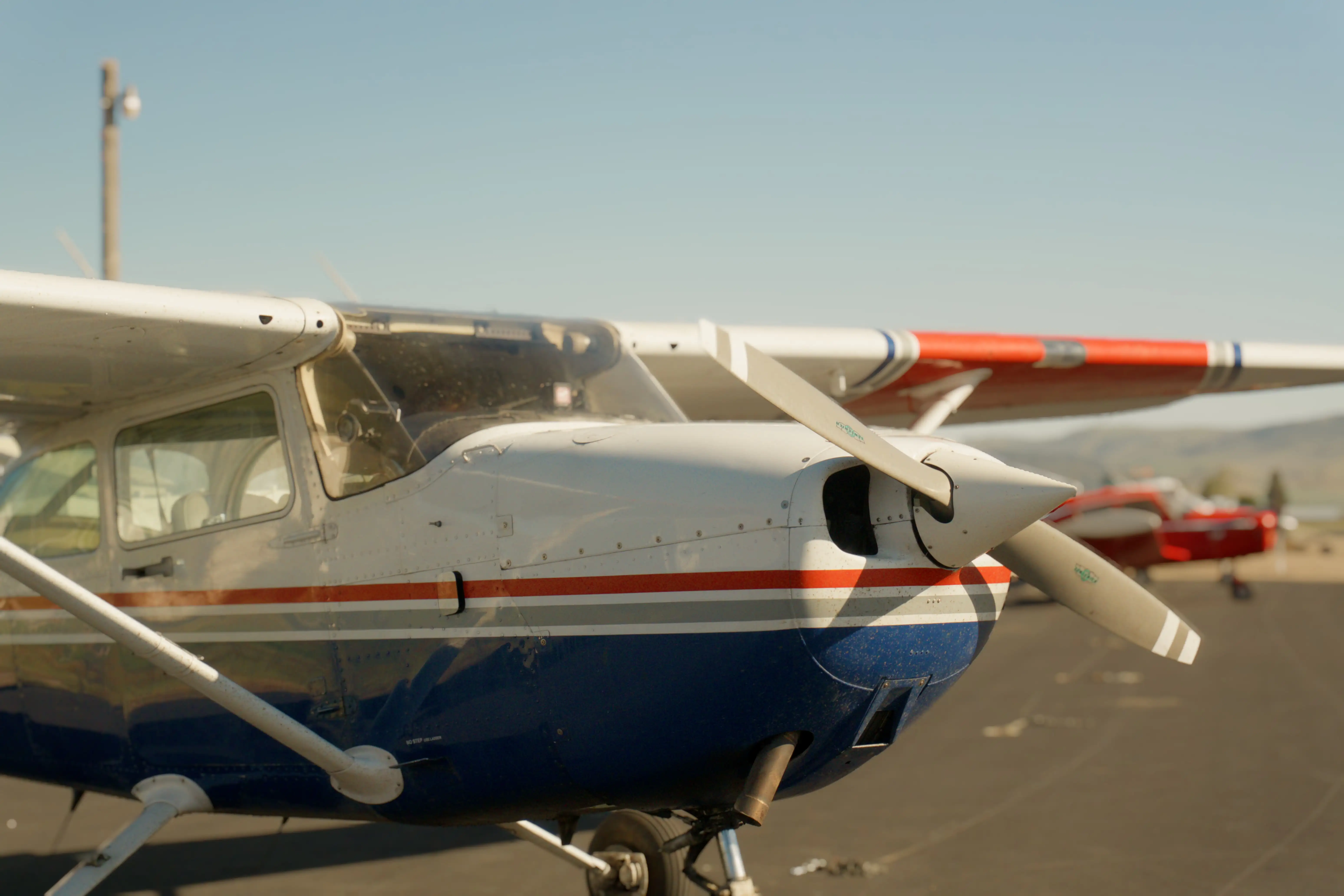
Then you walk out to the airplane for the preflight inspection. You and your CFI check the fuel, the control surfaces, the propeller, and the engine compartment, working through a checklist. Most students begin in one of our Cessna 172s, and the checklists and handbooks for our Cessna and Piper trainers are in your student POH library, so you can read about the airplane before you sit in it.
Preflight is also your first lesson in habit. Pilots check, then check again, because flying starts on the ground. By your fifth or sixth lesson the walk-around feels like second nature.
Taxi and Radio: Your First Conversation in the Cockpit
Once you are strapped in, you start the engine, run the checklist, and taxi. On early lessons your instructor usually handles most of the talking while you listen, so the sounds on the frequency become familiar before you have to answer.
Radio work follows one idea. At an airport with an operating control tower, controllers give instructions and you read them back. At an airport without one, pilots announce their position and intentions on a shared frequency so everyone nearby knows what is happening. Each style builds its own skill: tower work builds confidence with air traffic control, and self-announcing builds awareness of who else is around you. Private pilot training under Part 61 includes takeoffs and landings at an airport with an operating control tower, so your instructor builds that exposure into your plan.
Your instructor briefs the procedures for the day before you taxi, so you know what to expect from the first call. When you want to practice outside the cockpit, our guide to mastering ATC communications walks through the radio skills in detail.
Why the Traffic Pattern Is Your Classroom
The traffic pattern is a rectangular path around the runway that keeps arriving and departing airplanes in an orderly flow. Everyone who flies it knows where to look for everyone else. It has five legs, and in most patterns you turn left unless the airport says otherwise. Each airport sets its own entry and altitude, and your instructor covers the local details in your briefing.
| Pattern leg | What you do | What your CFI watches |
|---|---|---|
| Takeoff and upwind | Climb straight out from the runway | Your heading and how you handle the airplane at first liftoff |
| Crosswind | Make the first turn, 90 degrees from the runway | Your turn, your scan outside, and your airspeed |
| Downwind | Fly parallel to the runway, opposite the landing direction | Your radio call, your checklist, and the traffic you can see |
| Base | Turn toward the runway and begin the descent | Your power setting and where the runway sits in the windshield |
| Final | Line up with the runway and land | Your speed, your alignment, and your flare |
Pattern work is where a lot of the learning compresses. Each lap gives you another takeoff, another landing, another radio call, and another scan for traffic. Your first lap may feel busy. By the third or fourth, you will notice you have time to look around.
The pattern also teaches you to scan for other aircraft the whole way around. Your instructor will tell you where to look and when, and over a few lessons you will start doing it without a reminder. If you want to see how this progress carries through a full training day, our guide to how accelerated flight training works lays out the daily rhythm.
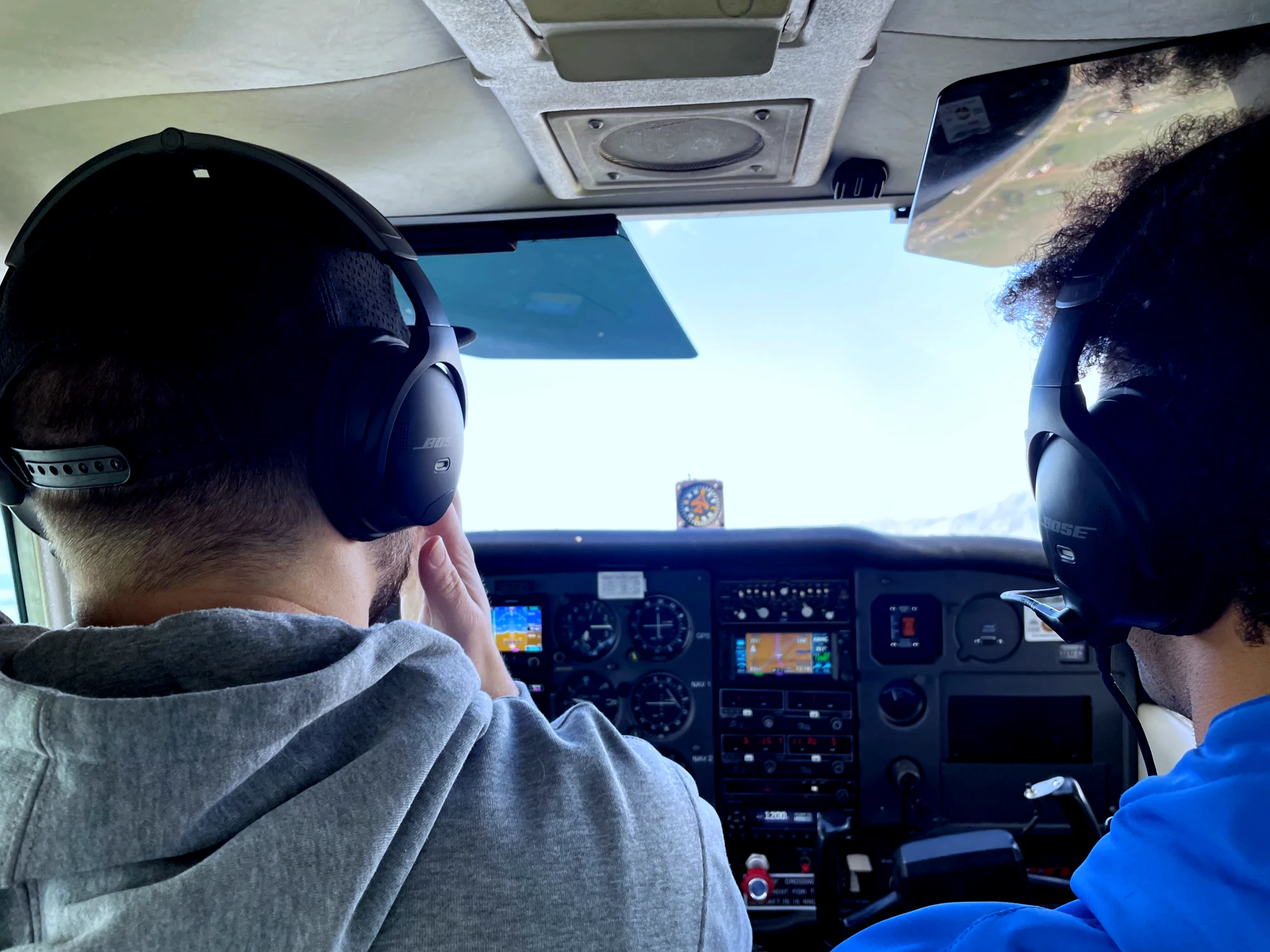
Practice Areas: Where Maneuvers Get Built
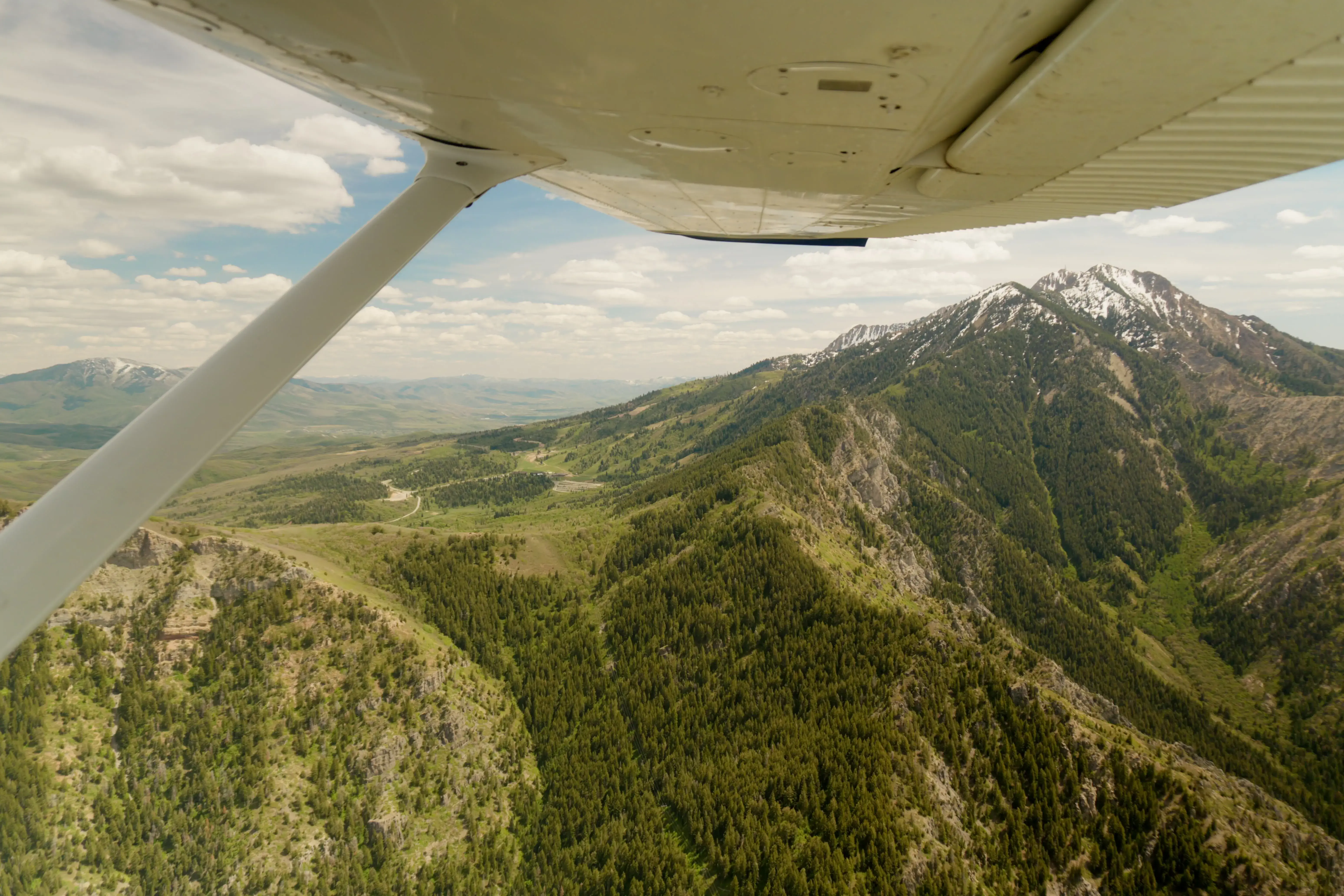
Not every lesson stays in the pattern. Your instructor will often take you to a practice area, which is airspace away from the airport’s traffic flow where you can work on maneuvers without other arriving traffic around you. Where you go and what you do there depends on the weather, the traffic, and what your lesson needs.
Early lessons typically start with the basics: straight-and-level flight, climbs, descents, and turns. Then your instructor adds the maneuvers you will meet on your way to the private pilot practical test:
- Slow flight, where you fly the airplane at a low airspeed and learn how the controls feel when the airplane is working hard.
- Stalls, where you learn to recognize the warning signs of the wing losing lift and practice the recovery with your instructor guiding you.
- Steep turns, which sharpen your control of bank, altitude, and airspeed together.
- Ground reference maneuvers, where you fly patterns over points and lines on the ground while adjusting for wind.
Before each maneuver, you make a clearing turn and look for other airplanes. It is a short habit that takes a few seconds, and it becomes automatic quickly. Our post on cross-country and solo practice shows how these skills carry into your first flights away from the airport.
The Debrief: How Early Lessons Add Up to Solo
When you land and shut the engine down, the lesson is not over. You and your CFI go over what went well and what to fix next time. A good debrief usually takes a few minutes and covers one or two points, so you leave with a clear next step instead of a long list.
Early lessons also build toward your first solo. You do not need a student pilot certificate to take lessons, but the FAA requires one before you fly solo. How fast you get there varies by student, schedule, weather, and proficiency. Most of our students train two to three times a week, which is typically enough for steady progress, and our accelerated format packs the days more tightly. In an accelerated day, a flight block runs about 1.8 to 2.0 hours.
If you already know your goal, our Private Pilot program shows how ground and flight training fit together. We also have financing options. Our Stratus Financial partnership can cover up to 100% of flight training costs, and we can walk you through the details.
How to Get Ready for Your First Lesson
A little preparation makes the first flight easier. Here is what helps most:
- Read the pattern legs once. You will not need to memorize anything, but the names will sound familiar when your instructor uses them.
- Listen to the radio before you fly. Our ATC communications guide gives you a picture of what a normal exchange sounds like.
- Bring your questions. Your instructor wants to hear them, and the briefing is the right time.
If you want to see the whole sequence before you commit, a discovery flight takes you through the hangar, the briefing, the preflight, and a real flight in about an hour, with 30 to 45 minutes in the air.
Your Questions About First Flights at Ogden-Hinckley
Will I have to talk on the radio during my first lesson?
Probably very little. Your instructor typically handles most of the talking at first while you listen, then hands more of it to you as you get comfortable. Our radio skills guide shows you what to expect.
Do I need to know the traffic pattern before I start?
No. Your instructor teaches the pattern step by step, and each lap builds on the last. Reading the leg names ahead of time helps, and you can start without it.
How long before I do stalls and steep turns?
It varies by student. The order depends on how you are progressing, and your instructor decides when each maneuver comes in. Early lessons usually focus on the basics first. You can see how the pieces fit in our Private Pilot program.
Which airplane will I fly?
Most students begin in one of our Cessna 172s. You can browse every airplane on our fleet page, and our hangar tour shows the aircraft in person.
Where do I get current procedures for the airport?
Your instructor covers them in your briefing before every flight. You can also call us at 801-823-4122 with any question before your first lesson.
Fly Your First Lesson With Us
The best way to understand the pattern, the radio, and the practice area is to sit in the left seat once. Book a discovery flight and you will walk through Hangar 397, preflight an airplane with your CFI, and fly over Ogden with your hands on the controls. Book your discovery flight and we will see you at 3911 Airport Rd, Hangar 397.

Blitz Aviation
Professional flight training school near Salt Lake City, Utah, specializing in accelerated pilot programs. Get your pilot license faster with our experienced instructors and modern fleet.